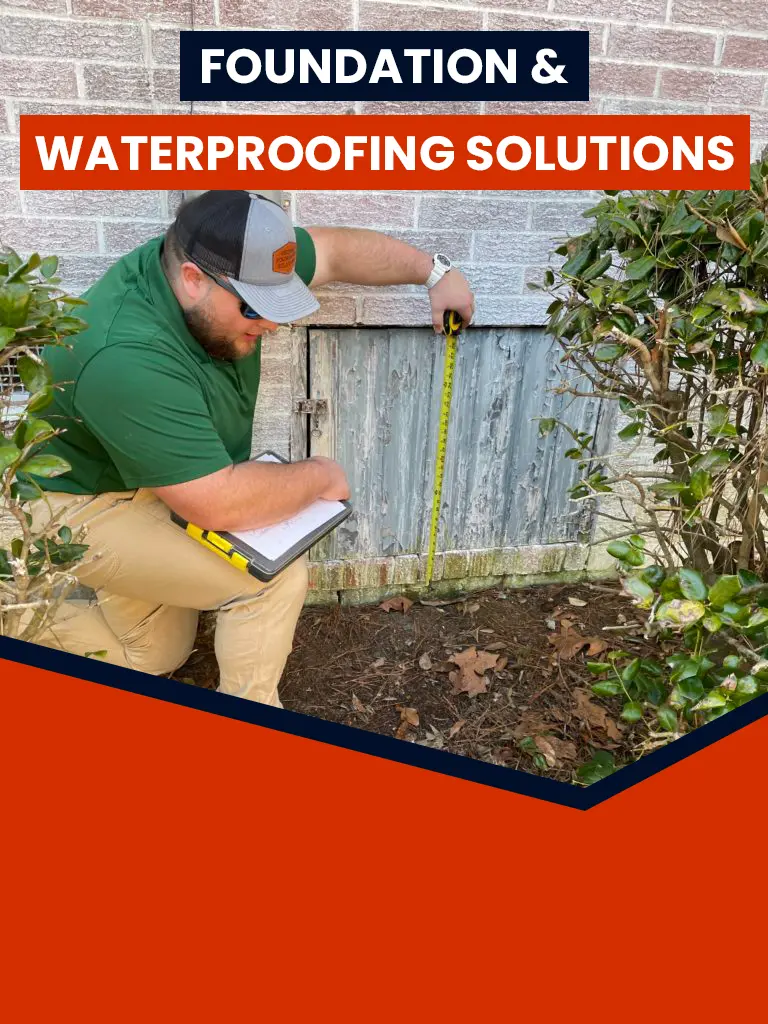
Over time, homes are susceptible to wood rot and subfloor damage, especially in moisture-prone areas like crawl spaces and basements. These issues, including rotting joists and weakened subfloors, compromise your home’s structural integrity and create safety hazards. If left unchecked, the damage can worsen, leading to expensive repairs. Replacing rotting joists and subflooring is essential to maintaining your home’s stability and safety.
In this article, we’ll explore the process of replacing rotting joists and damaged subfloors, discuss common signs of damage, and explain why hiring professionals like Georgia Foundation Solutions is the best choice for handling complex structural repairs. Whether you’re dealing with minor damage or extensive rot, replacing rotting joists is a crucial step in protecting your home’s foundation.
Before diving into how to replace rotting joists and damaged subfloor, it’s important to recognize the signs of damage:
- Sagging or uneven floors: If your floor feels bouncy, uneven, or sinks in certain areas, it’s a sign that the joists or subfloor may be deteriorating.
- Musty odors: Mold and rot often go hand in hand. If your home has a persistent musty smell, it could indicate moisture damage to the wood.
- Visible water damage or mold: Check crawl spaces and basements for any signs of water staining, wood rot, or mold growth.
- Creaking or cracking noises: Joists and subfloors in poor condition often make noises when pressure is applied to them.
- Increased humidity or dampness: Humidity can contribute to subfloor damage, particularly in areas like basements or crawl spaces, which are more exposed to moisture.
Here’s a list of the tools and materials you’ll need for this project:
- Safety gear (gloves, safety goggles, dust mask)
- Pry bar
- Circular saw
- Hammer and nails or screws
- Measuring tape
- Replacement joists (pressure-treated lumber)
- Plywood or subfloor panels
- Floor jacks or temporary support beams
- Carpenter’s square and level
- Power drill
While replacing rotting joists and subfloors might seem like a potential DIY project, it’s important to recognize the complexity involved. Significant damage or structural issues require expert attention to ensure the work is done safely and correctly. Professionals like Georgia Foundation Solutions specialize in replacing rotting joists, providing the expertise needed to restore your home’s stability with long-term solutions.
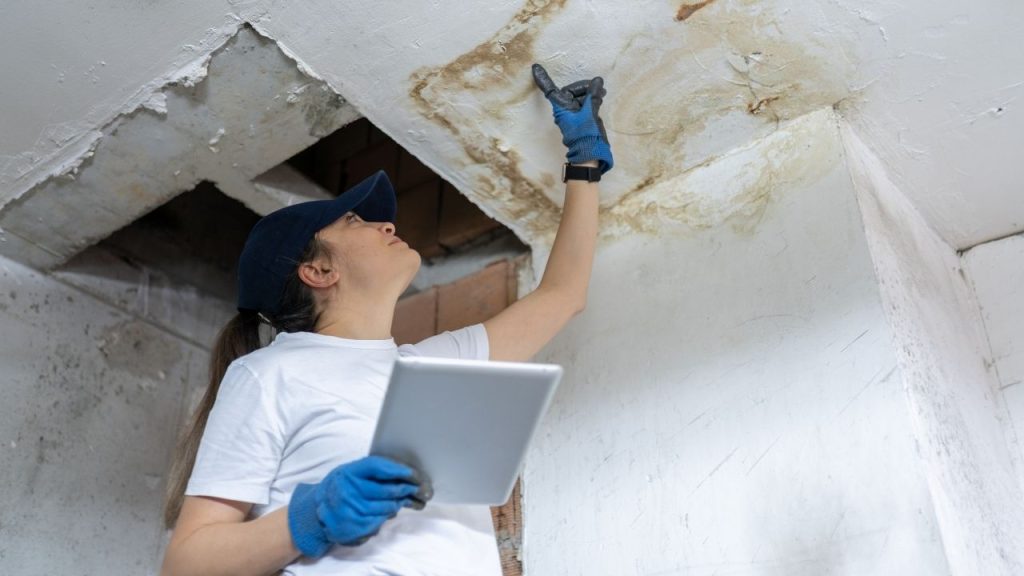
Before starting the repair process, assess the extent of the damage. Inspect your crawl space or basement for signs of moisture, wood rot, and damaged joists or subfloor. If the damage is limited to a small area, replacing individual joists and sections of subfloor may suffice. However, if there’s widespread rot, you may need to replace a larger portion of the structure.
Before removing any joists, you’ll need to support the area above them to prevent the structure from collapsing. You can use floor jacks or temporary support beams to prop up the floor while you work. Make sure the supports are secure and evenly placed to avoid putting unnecessary pressure on any one area.
Start by removing the damaged sections of the subfloor. Use a circular saw to cut out the damaged parts, being careful to avoid cutting into the joists below. Once the damaged subfloor has been removed, use a pry bar to lift any remaining pieces and nails.
Be sure to remove all the damaged wood and inspect the joists below for signs of rot. If the joists are in good condition, you can move on to installing new subfloor panels. If the joists are also damaged, they will need to be replaced.
If the joists are rotting or structurally compromised, you’ll need to replace them. First, use a pry bar or hammer to remove the damaged joist. Be cautious when removing nails or screws that are holding it in place.
Once the damaged joist is removed, measure and cut a replacement joist from pressure-treated lumber. Pressure-treated wood is ideal for areas prone to moisture, as it’s resistant to rot and termites. Position the new joist in place, ensuring it’s level and properly aligned with the existing structure.
Secure the new joist with nails or screws, using a power drill to ensure a sturdy fit. If the damage extends across multiple joists, repeat this process for each affected area.
Once the joists have been replaced, you can install new subflooring. Measure and cut the plywood or subfloor panels to fit the area where the damaged subfloor was removed. Make sure the new panels are level and securely attached to the joists.
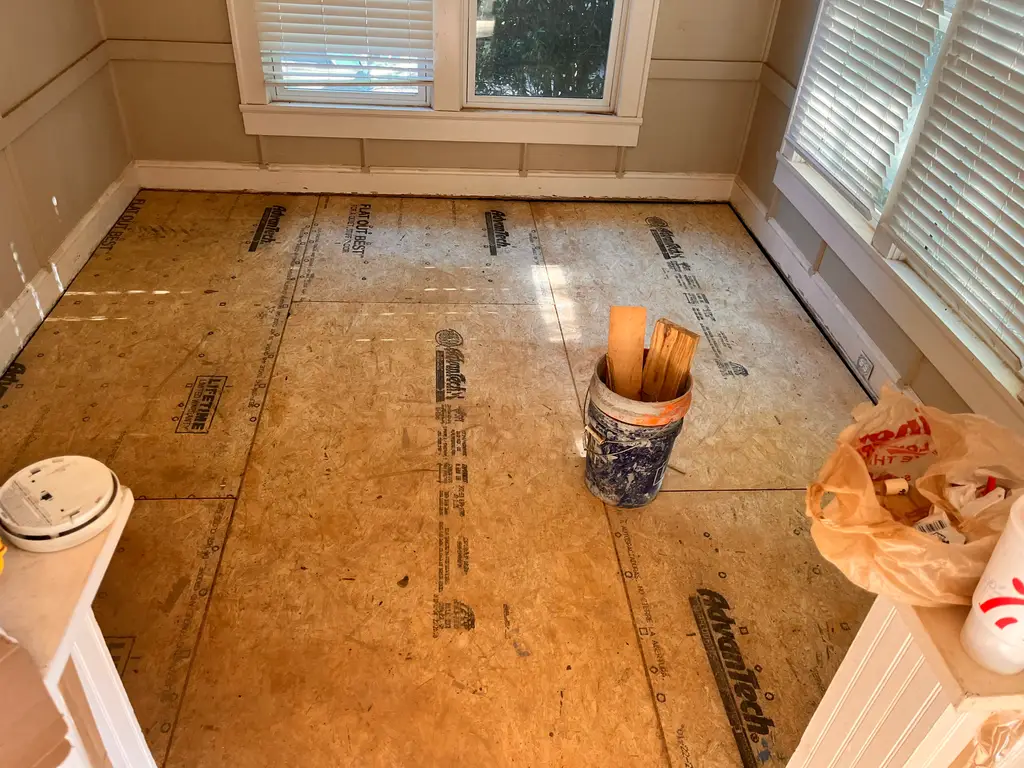
Use nails or screws to fasten the subfloor to the joists, ensuring that all edges are properly secured. It’s important to leave a small gap between the panels to allow for natural expansion and contraction due to temperature and humidity changes.
After the subfloor and joists have been replaced, inspect the area for any remaining signs of moisture or damage. If you’re working in a crawl space or basement, consider installing moisture barriers or sealing the space to prevent future issues. Proper ventilation and moisture control are key to protecting your new joists and subfloor from rot and damage.
While some homeowners may consider replacing rotting joists and damaged subfloors on their own, this task is complex and typically requires professional expertise. Attempting DIY solutions can lead to incomplete repairs or even worsen the problem. Here’s why working with professionals like Georgia Foundation Solutions is often the best choice for safely and effectively replacing rotting joists and restoring your home’s structural integrity.
Professional contractors can identify the root cause of the problem, whether it’s moisture intrusion, poor ventilation, or foundational shifts. They’ll provide a thorough inspection to determine the full extent of the damage, ensuring that no underlying issues are overlooked.
Replacing joists and subflooring involves working with the structural components of your home. Mistakes in the replacement process can weaken the structure, leading to long-term safety risks. Georgia Foundation Solutions has the expertise to ensure that the repairs are done correctly and safely, preserving the structural integrity of your home.
While replacing rotting joists and subfloors can fix the immediate issue, it’s important to address the underlying cause. Whether it’s water leaks, poor drainage, or foundation problems, Georgia Foundation Solutions can implement long-term solutions like moisture control, drainage improvements, or crawl space encapsulation to prevent future damage.
Attempting to repair structural damage on your own can lead to costly mistakes and incomplete repairs. Hiring a professional not only saves you time but also ensures that the problem is fixed properly the first time, saving you from future repair costs.
At Georgia Foundation Solutions, we are experts in replacing rotting joists and addressing structural damage caused by moisture, wood rot, and foundation issues. Our team provides comprehensive inspections to identify the extent of the damage and specializes in replacing rotting joists and subflooring to restore your home’s safety and stability. Whether it’s replacing rotting joists, waterproofing your crawl space, or improving drainage systems, we deliver tailored solutions to meet your home’s specific needs.
Don’t let structural issues compromise your home’s integrity. Trust Georgia Foundation Solutions for professional replacing rotting joists services and long-term repairs. Contact us today to ensure your home remains safe, stable, and protected for years to come.