Georgia is known for its diverse range of home styles, from historic farmhouses to modern suburban homes. Whether you live in a sprawling ranch, a classic brick house, or a newer construction, the type of foundation your home sits on plays a crucial role in its overall stability. Each type of home foundation comes with its own set of challenges, especially when it comes to dealing with Georgia’s clay-rich soil and fluctuating weather patterns. In this article, we’ll explore the different types of homes in Georgia and how foundation issues might arise with each.
Slab foundations are one of the most common foundation types in Georgia, especially for newer homes. In this style, a large, flat slab of concrete is poured directly onto the ground, creating a solid base for the home. Slab foundations are popular due to their cost-effectiveness and simple construction process.
- Soil Expansion and Contraction: Georgia’s soil is rich in clay, which expands when it’s wet and contracts when it dries out. This movement can cause cracks or shifting in the slab, leading to foundation damage.
- Slab Cracks: Over time, the concrete slab can develop cracks, either from settling or moisture issues. Cracks in the slab can lead to moisture seeping into the home or uneven floors.
- Moisture Seepage: If there’s poor drainage around the home, water can pool around the foundation, eventually seeping into the slab. This can lead to mold growth and weaken the concrete.
Proper grading around the home, maintaining gutters and downspouts, and using moisture barriers during construction can help minimize issues with slab foundations.
Crawl spaces are another common foundation type in Georgia, especially in older homes. Crawl space foundations elevate the house a few feet above the ground, leaving a small, accessible area beneath the home. This design allows for better air circulation and easier access to utilities.
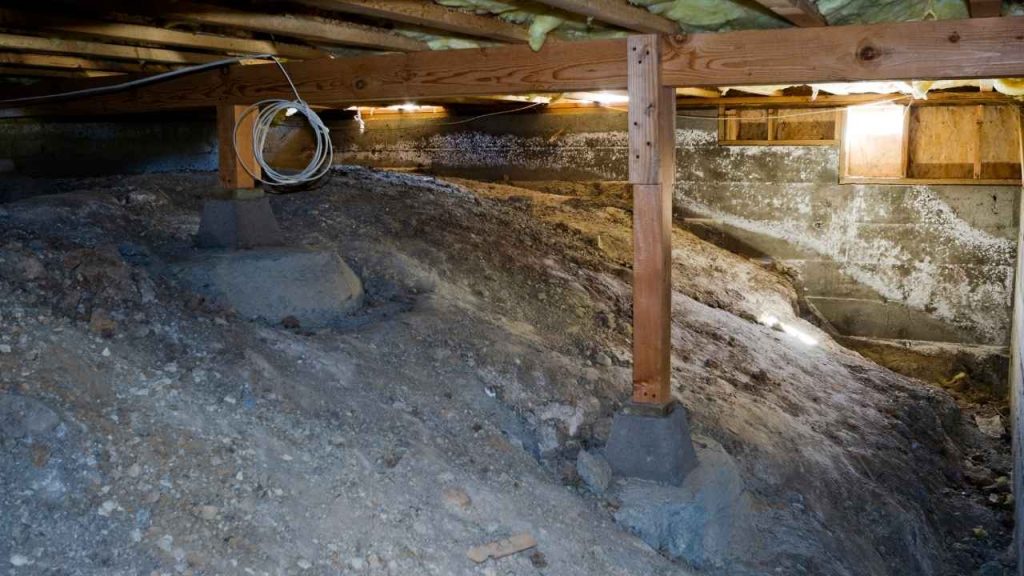
- Moisture and Mold: In Georgia’s humid climate, crawl spaces are particularly susceptible to moisture buildup, which can lead to mold and wood rot. Poor ventilation or drainage can exacerbate this issue.
- Settling and Shifting: The foundation piers or footings supporting the crawl space can shift due to Georgia’s expansive soil. This can cause the structure above to become uneven, leading to sagging floors or cracked walls.
- Pest Infestations: Crawl spaces, especially if damp, can attract pests like termites or rodents. Termites can damage the wood supports, weakening the foundation over time.
Sealing the crawl space, installing vapor barriers, and ensuring proper ventilation can help reduce moisture problems. Regular inspections for pests and structural damage are also essential.
While less common than slab or crawl space foundations, some homes in Georgia, particularly in hilly or mountainous areas, have basements. Basements provide extra living or storage space and are often considered a bonus feature in homes. However, they also come with unique foundation challenges.
- Water Intrusion: Basements in Georgia are prone to water seepage due to the state’s heavy rains and fluctuating water tables. Poor drainage, cracks in the basement walls, or faulty waterproofing can lead to flooding or moisture buildup.
- Bowing Walls: Pressure from the soil surrounding the basement can cause the walls to bow inward over time. This is a common issue in homes with basements built in areas with expansive soil.
- Foundation Settling: Like other types of foundations, basements are susceptible to settling and shifting. This can lead to cracks in the walls, floors, or the foundation itself.
Installing a sump pump, ensuring proper grading and drainage, and applying waterproofing measures can help prevent water intrusion. Reinforcing basement walls and repairing cracks promptly can also prevent more serious structural damage.
Georgia is home to a wide variety of historic houses, particularly in cities like Savannah and Atlanta, showcasing the diverse types of homes in Georgia. These homes often feature unique architectural details and reflect older construction techniques that add to their charm. Many of these historic properties, a significant part of the types of homes in Georgia, rest on stone or brick foundations, which are more susceptible to deterioration over time. Preserving these homes requires special attention due to their historical value and the specific challenges tied to the types of homes in Georgia.
- Foundation Deterioration: Brick and stone foundations are susceptible to cracking and crumbling, especially after decades of wear and tear. The mortar holding these materials together can erode, leading to significant structural issues.
- Uneven Settling: Older homes may have been built without considering Georgia’s unique soil conditions. As the soil shifts and settles, parts of the foundation may sink, leading to uneven floors and cracks in the walls.
- Moisture Damage: Many historic homes were built before modern waterproofing methods were available. This makes them more vulnerable to water damage, which can weaken the foundation and cause mold or mildew to develop.
Maintaining and repairing historic foundations requires specialized techniques. Regular inspections and repairing mortar joints (repointing) can help prolong the life of brick or stone foundations. Adding modern waterproofing solutions, like drainage systems and vapor barriers, can also prevent moisture-related issues.
Pier and beam foundations are a popular choice among the types of homes in Georgia, particularly in flood-prone or coastal regions. This foundation style is designed to elevate homes above ground level using a series of piers for support, with beams providing additional structural stability. As one of the versatile types of homes in Georgia, pier and beam foundations offer protection against flooding while improving ventilation. This design, commonly seen in certain types of homes in Georgia, requires regular maintenance to ensure long-term durability and effectiveness.
- Shifting Piers: Like crawl space foundations, pier and beam foundations can be affected by shifting soil. When the piers move, it can cause the home to become uneven, leading to sagging floors or structural damage.
- Wood Rot: In Georgia’s humid climate, the wood beams used in pier and beam foundations are vulnerable to moisture damage. Over time, wood rot can weaken the structure, leading to foundation instability.
- Pest Infestations: The elevated nature of pier and beam foundations can attract pests like termites or rodents, which can cause significant damage to the wood supports.
Regular inspections to check for wood rot and pests are essential for homes with pier and beam foundations. Ensuring proper drainage and using treated wood can help prevent moisture-related problems.
Georgia’s diverse types of homes in Georgia, ranging from modern slab-based houses to historic brick homes, each present unique foundation challenges. The state’s expansive soil, heavy rainfall, and humid climate significantly impact the stability of these foundations. To protect the types of homes in Georgia, homeowners must prioritize regular inspections, ensure proper drainage, and address issues promptly. Proactive maintenance is key to preserving the structural integrity of the types of homes in Georgia, avoiding costly foundation repairs. By understanding the challenges specific to different types of homes in Georgia, you can take the necessary steps to safeguard your property for years to come.